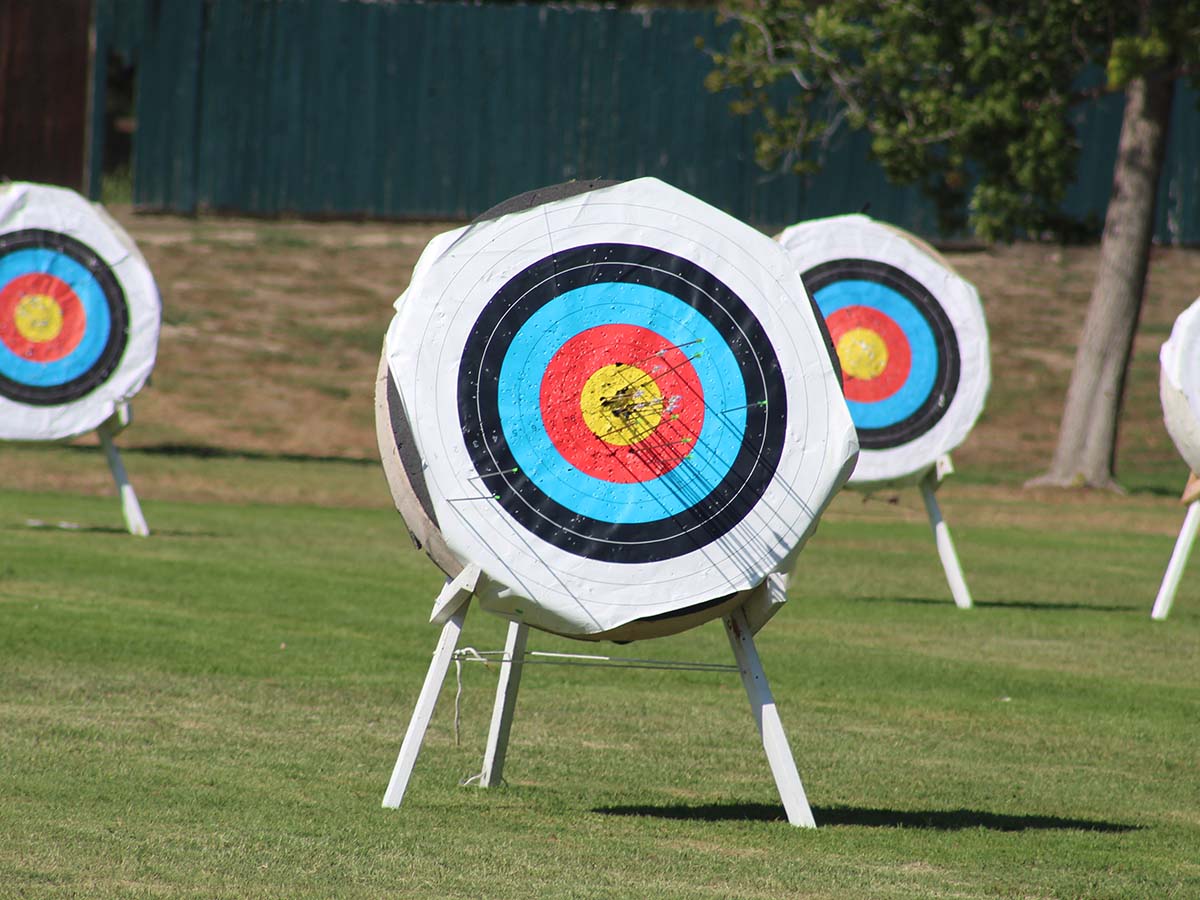
Archery is one of the most rewarding outdoor activities—perfect for solo relaxation, family bonding, friendly competition, or even hunting. It builds focus, coordination, strength, and patience, much like many of our favorite backyard games.
Check out our 35 Best Outdoor Games For All Ages for more ideas to keep the fun going outdoors!
This ultimate beginner archery guide merges everything beginners need: bow types, arrow selection, measuring draw length/weight, essential gear, tips to start shooting, and answers to common questions like “Is traditional archery hard?”
What Is Archery? Recreation, Sport, and More
Archery involves shooting arrows at targets using a bow. It’s ancient yet timeless—great for backyard practice, range sessions, 3D target courses, or hunting. Benefits include improved hand-eye coordination, mental focus, upper-body strength, and stress relief. It’s inclusive: kids can start young, adults enjoy it recreationally, and seniors appreciate low-impact fun.
Is Beginner Archery Hard? (Especially Traditional Archery)
No—archery isn’t hard to start, but mastery takes practice. You can learn basics in minutes and feel progress quickly. Traditional archery (longbows and recurves without sights or gadgets) relies on instinctive aiming, making it forgiving for beginners compared to complex compound bows. Start light, focus on form, and you’ll improve fast. Patience and regular shooting are key—no rush!
Types of Bows for Beginner Archery: Which One for Beginners?
Choose based on your goals (fun/recreation vs. hunting/competition):
- Traditional Longbow: Straight-limbed, one-piece wood bow (D-shape when drawn). Simple, quiet, and challenging—great for instinctive shooting and historical feel. Ideal for adults seeking pure tradition.
- Recurve Bow: Limbs curve away from the archer for more power and speed. Often takedown (limbs detachable) for easy upgrades as you build strength. Beginner-friendly and versatile for target or hunting.
- Compound Bow: Modern with pulleys/cams for let-off (easier hold at full draw). Great accuracy but more complex—best after trying traditional styles.
Beginner Recommendation: Start with a takedown recurve (e.g., 60-62″ length) for adjustability. Avoid jumping straight to compound unless you want tech-heavy setup.
How to Measure Draw Length and Draw Weight (DIY Methods)
These determine bow/arrow fit—wrong measurements cause poor form or injury.
- Draw Length (distance from nock to grip throat + 1¾” at full draw):
- Arm span method: Extend arms, measure fingertip to fingertip, divide by 2.5 (round to nearest ½ inch).
- Height estimate: Often matches height in inches (e.g., 5’10” ≈ 70″ draw).
- Calculator: Input height/body weight for quick estimate.
- Draw Weight (pounds needed to pull string to full draw, measured at 28″):
- Beginners: Men 25-35 lbs; Women 15-25 lbs; Youth lower.
- Actual weight increases ~2-3 lbs per inch beyond 28″ draw.
- Start low for form; increase as strength builds. Use a bow scale or luggage scale for precise measurement.
Pro Tip: Visit an archery shop for free fitting—don’t guess!
Choosing Arrows: Focus on Longbows and Beginners
Arrows must match your bow, draw length, and weight for accuracy and safety.
- Longbow Arrows: Longer (1-3″ beyond draw length), thicker/heavier, often wood for durability and traditional feel. Wood withstands high forces, penetrates better at distance, and is affordable/less breakable than carbon/aluminum.
- Spine (Stiffness): Higher spine (stiffer) for longbows/higher draw weights; lower for lighter setups. Start with 500 spine for 35-45 lbs traditional bows.
- Length: Too short = unsafe; too long = poor balance. Experiment—aim for comfortable flight.
- Nocks: Snug string fit (e.g., string nocks for longbows).
- Fletching: Feathers (traditional, stable at distance) or plastic vanes (durable, cheap).
- General Beginner Tip: Get pre-made arrows matched to your bow; consult shop for spine/length.
Best Beginner Archery Gear (Our Top Choices)
Keep it simple and affordable (~$200-400 total):
- Bow: Takedown recurve (e.g., Samick Sage or similar) or entry longbow.
- Arrows: Wood/carbon matched to bow (10-12 pack).
- Essentials: Quiver, arm guard, finger tab/glove, bow stringer, target (bag or foam).
- Accessories: Basic sight (optional for traditional), release aid (for compound only).
- Safety: Eye protection always!
Our Beginner Archery Picks (updated for current trends):
- Best Beginner Recurve: Affordable takedown models.
- Best Arrows: Wood for traditional; carbon for durability.
- Best Targets: Portable bag targets for backyard practice.
How to Get Started in Beginner Archery: Step-by-Step
- Get fitted at a shop or range.
- Start with light draw weight and close targets (10-20 yards).
- Master stance: Feet shoulder-width, slight forward lean.
- Nock arrow safely, draw to anchor point (e.g., corner of mouth).
- Aim instinctively (traditional) or with sight.
- Release smoothly—focus on form over power.
- Practice regularly; join a club for tips and social fun.
Before buying gear, visit a local range or shop for a fitting. For more on trying archery and exploring disciplines, check out this excellent Ultimate Beginners Guide to Archery from Archery360.com.
Final Tips for Beginner Archery Fun and Progress
- Shoot safely: Clear backstop, never dry-fire.
- Experiment: Try longbow for challenge, recurve for ease.
- Benefits: Great family activity—kids love it, adults unwind.
- Next Steps: Check local ranges or outdoor spots in Las Vegas for beginner sessions.
Archery is addictive in the best way—grab a bow, hit the backyard or range, and enjoy the outdoors your way!

Meet Kevin Goodell, your outdoor adventure coach! With a passion for nature ignited in childhood, Kevin brings a wealth of experience and expertise to simplify tough outdoor skills. As a U.S. Army veteran and former Sergeant, he has honed his leadership and teamwork abilities while developing a deep love for the great outdoors.
Kevin’s dedication to outdoor activities spans biking, birdwatching, national park trips, and archery/golf. With his friendly and approachable demeanor, he is committed to guiding individuals of all ages and skill levels towards unforgettable outdoor experiences.
Harnessing his extensive knowledge and personal achievements, Kevin is your go-to resource for learning and enjoying various outdoor pursuits. Whether you seek thrilling adventures or serene nature escapes, Kevin’s professional yet friendly approach will ensure an engaging and informative experience. Embark on your next outdoor adventure with Kevin Goodell and embrace the beauty of nature like never before.