Welcome to our article on the exciting and transformative world of recreation ice skating! Whether you’re a complete beginner or a seasoned skater, we hope to share valuable tips, tricks, and expert advice to help you improve your ice skating skills.
Ice skating is a sport that requires balance, strength, and endurance – but with dedication and practice, anyone can master it. It’s a beautiful and graceful activity that allows you to express yourself creatively, glide across the ice with ease, and push your limits both physically and mentally.
In this article, we’ll cover everything you need to know to become a proficient ice skater, from the basics of getting started to advanced techniques and artistic expression. We’ll also explore the role of equipment, the joys of team sports, inclusive opportunities, competitive skating, and even skating beyond the rink.
So, whether you’re looking to learn a new hobby, challenge yourself physically, or simply enjoy the beauty of ice skating, join us on this exciting journey. Let’s begin mastering the art of ice skating together!
Key Takeaways:
Ice skating is a sport that requires balance, strength, and endurance, but can be mastered with practice and dedication.
This article covers valuable tips, tricks, and expert advice to help improve your ice skating skills.
Topics we’ll explore include the basics of getting started, fundamental skills, advanced techniques, artistic expression, equipment, team sports, inclusive opportunities, competitive skating, and skating beyond the rink.
Ice skating is not only a physical activity but also a mentally stimulating and rewarding one that allows for creative expression.
Join us on this exciting journey to master the art of ice skating and discover the transformative power it can have on your life.
The Basics of Ice Skating: Getting Started on the Ice
Welcome to the wonderful world of ice skating! If you’re a beginner, getting started on the ice can seem daunting, but fear not. We’re here to guide you every step of the way.
The first step is finding a suitable ice rink near you. Do some research online or ask around for recommendations. Once you’ve found a rink, it’s time to get the right skaterental. Many rinks offer rentals, so be sure to inquire about their rental policies and available sizes.
Now that you have your rental skates, it’s time to start skating! As a beginner, it’s essential to get comfortable with your skating posture and balance. Begin by standing with your feet shoulder-width apart and slightly bent knees. Gently push off with one foot and glide forward. Remember to keep your arms outstretched for balance. Take it slow and steady as you gain confidence.
When you feel more confident, you can begin to work on your forward and backward skating. For forward skating, push off with one foot and glide forward with the other. As your glide ends, switch feet and repeat. For backward skating, keep your knees bent and lean backward. Push off with one foot and glide backward with the other. Again, as your glide ends, switch feet and repeat.
Remember, practice makes perfect! Don’t be discouraged if you don’t get it on your first try. Keep at it, and you’ll be gliding across the ice in no time.
Mastering the Fundamentals: Building a Solid Foundation & Private Lessons
When it comes to ice skating, mastering the basics is essential. Before you can conquer advanced skating techniques, you need to learn the fundamentals. To start off, let’s address the importance of the ice surface. A smooth and well-maintained surface is crucial for optimal skating performance. If the surface is not up to par, it can impede your ability to move across the ice with ease.
Another key element is the skate itself. Figure skates are specially designed to provide the necessary support and maneuverability for performing intricate moves. It’s essential to invest in a good pair of figure skates to ensure that you have the right equipment to learn and perform fundamental skating techniques.
While it’s possible to teach yourself the basics, skating lessons can be incredibly beneficial. Skating lessons offer guidance and support to help you learn proper techniques, maintain safety, and build confidence. Skating instructors can also work with you on specific areas of improvement to help you progress at a steady pace.
In summary, a solid foundation of skating skills starts with the fundamentals. You need to be comfortable navigating the ice surface, have the right equipment, and seek guidance from a skating instructor to learn the proper techniques. By taking these steps, you’ll be setting yourself up for success as you progress in your skating journey.
Unlocking Your Potential: Progressing to the Next Level
At this point, we assume that you have overcome the initial hurdles and have learned to skate. You have become comfortable on the ice and are looking to elevate your skills to the next level.
This is where private lessons come in handy. Private lessons deliver a personalized learning experience that can help identify areas that need improvement and work on them. A skilled instructor can help tailor the lesson to your level and focus on advanced techniques that cater to your strengths.
Freestyle skating is another fantastic way to increase your skating abilities. In freestyle skating, a skater improvises in terms of movements and techniques, which helps build creativity and improves overall technique. It is a great way to challenge yourself and discover new ways to express your ideas and emotions.
Group lessons, on the other hand, are perfect for those who thrive in a community setting. In a group lesson, you learn from other skaters and observe their techniques. Group lessons also introduce team activities and teach you how to work with others on the ice.
Private Lessons: The Benefits of Personalized Instruction
If you are considering advancing your skating skills, private lessons are an excellent place to start. Private lessons are designed for skaters who are looking to get one-on-one instruction from a professional skating coach.
In a private lesson, the coach can personalize the lesson based on the skater’s skill level. The coach can then focus on specific techniques and work on areas that need improvement. Private lessons are perfect for skaters who want to develop their skills quickly and efficiently.
While private lessons can be more expensive than group lessons, they are well worth the investment. With the personalized attention and focused instruction, the progress you make in a private lesson will be significant.
Freestyle Skating: Challenging Yourself on the Ice
Freestyle skating is the perfect way to showcase your creativity and challenge yourself on the ice. In freestyle skating, you focus on developing your own skating techniques and movements, using your body and mind to create something new and exciting.
Freestyle skating is all about improvisation. You don’t have to follow a set routine or a pre-defined set of rules; instead, you can let your creativity take over and come up with something unique.
Freestyle skating also helps improve your overall technique. By improvising on the ice, you develop new ways to execute basic skating techniques. These new techniques will help you become a more advanced skater and give you a competitive edge.
Group Lessons: Learning from Others on the Ice
Group lessons are perfect for those who enjoy learning in a community setting. In a group lesson, you have the opportunity to learn from other skaters and observe their techniques.
Group lessons also introduce team activities and teach you how to work with others on the ice. These activities help you develop teamwork skills while building confidence on the ice.
Group lessons are also a great way to make friends and meet new people who share your passion for ice skating. In a group lesson, you have the opportunity to bond with others over your shared interest in skating, which can lead to lasting friendships both on and off the ice.
Whatever path you choose to advance your skating skills, it’s essential to remember that practice is key. The more you practice, the more comfortable you will become on the ice, and the faster you will progress.
“You don’t have to be great to start, but you have to start to be great.”
Grace on Ice: Mastering Freestyle Skating Movements and Expressions With Skating Lessons
As we progress in our ice skating journey, we discover that there is much more to this sport than just gliding on the ice. Ice skating is an art form that allows us to express ourselves through dance movements, spins, and artistic expressions that captivate audiences. In this section, we’ll delve into the graceful side of ice skating and how we can master movements and expressions to showcase our skills on the ice.
Dance Movements
Ice skating routines often incorporate dance movements that require skill and precision. From elegant waltzes to upbeat jives, we must master our steps to flow seamlessly across the ice. To achieve this, we need to pay attention to our footwork, body posture, and timing. Practicing with a coach or attending dance classes can help us refine our technique and elevate our performance.
Glide
The glide is the foundation of ice skating and requires us to maintain a steady pace across the ice. To achieve a smooth glide, we need to keep our balance and use our edges to create momentum. Finding the right rhythm is also key to a successful glide, and we can achieve this by practicing regularly and incorporating different techniques into our routine.
Spin
Spinning is one of the most thrilling aspects of ice skating. It requires us to build momentum and maintain balance, executing multiple rotations with ease. To excel at spins, we need to develop a strong core, maintain our posture, and practice different spins with a coach or trainer. Whether it’s a simple spin or a complex combination, spinning adds an exciting element to any ice skating routine.
Artistic Expression
Artistic expression is the final touch to any ice skating performance. It involves telling a story through our movements, music, and overall presentation. To achieve this, we need to connect with the audience and convey our emotions and personality on the ice. Incorporating props or accessories can also add to the overall presentation and make our routine stand out.
Mastering skating movements and expressions takes time and practice, but the rewards are undeniable. We not only improve our physical skills but also tap into our artistic side, creating a unique and captivating performance. By incorporating dance movements, perfecting our glide and spins, and expressing ourselves artistically, we can become true masters of skating movements and expressions.
The Importance of Skating Equipment: Maintaining Performance While at the Ice Rink
As we continue to develop our ice skating skills, it is essential to recognize the role that well-maintained skating equipment plays in enhancing our performance. Whether we are recreational skaters or competitive athletes, properly sharpened ice skates and quality metal blades can make a significant difference in our ability to glide across the ice with ease and grace.
Sharpen: One of the most critical maintenance tasks for ice skates is regular sharpening. Over time, blades can become dull, making it more challenging to maintain proper speed and control on the ice. By sharpening our skates every few weeks or as needed, we can ensure that the blades remain sharp and perform at their best.
Ice Skates: It’s also essential to invest in high-quality ice skates that meet our specific needs. Figure skaters, for example, often prefer skates with more significant ankle support to perform jumps and spins, while hockey players value skates that offer greater speed and maneuverability on the ice.
Metal Blades: The metal blades themselves are a critical component of skating equipment. High-quality blades can improve our ability to glide on the ice, while lower-quality blades may hinder our performance. Regular blade maintenance, such as cleaning and polishing, can help extend the lifespan and performance of our skating blades.
By taking proper care of our skating equipment, we can ensure that we are performing at our best on the ice. Skating with well-maintained equipment also reduces our risk of injury and ensures a more enjoyable skating experience.
The Thrill of Team Sports: Ice Hockey Rink and Speed Skating Ice Arena
When it comes to ice skating, there’s nothing quite like the thrill of participating in team sports. Whether you’re an amateur skater or seasoned pro, ice hockey and speed skating offer heart-pumping excitement on the ice that’s hard to match.
Ice hockey is a popular team sport played on ice with a small, hard rubber puck. Players use specially designed ice hockey skates to glide across the ice while attempting to score points by shooting the puck into the opposing team’s goal.
Speed skating, on the other hand, is an individual sport that involves skating as fast as possible around a track or oval. Skaters use speed skates, which have longer blades than figure skates, to maximize their speed and efficiency on the ice.
Both of these sports require skill, technique, and teamwork. Participating in ice hockey or speed skating sessions can help you improve your skating abilities while also giving you the chance to connect with fellow skaters and build lifelong friendships.
At the same time, ice hockey and speed skating can also be highly competitive sports. Whether you’re playing in local leagues or aiming to compete at national or international events, the pursuit of excellence and the thrill of victory can be powerful motivators.
So if you’re looking to take your skating skills to the next level, consider joining an ice hockey or speed skating team. Not only will you get to experience the rush of being part of a team, but you’ll also have the opportunity to sharpen your skills, meet new people, and pursue your passion for ice skating.
Skating for All: Inclusive Public Skating Sessions
Ice skating is a sport for everyone, regardless of age or ability. Whether you’re a seasoned skater or a beginner, there are skating opportunities available that cater to your needs and preferences.
Recreational skating is a popular option for individuals looking to enjoy the sport at their own pace. Ice rinks often offer public skating sessions, where skaters of all ages and abilities can come together to skate freely. These sessions are a great way to socialize with other skaters and enjoy a relaxing skate.
If you’re looking to take your skating skills to the next level, joining a skating club can be the perfect solution. Skating clubs offer skating lessons, group sessions, and specialized training to help skaters of all ages and abilities progress their skills. Skating clubs also provide a sense of community, where skaters can connect with individuals who share their passion for the sport.
Skating is an inclusive sport that welcomes individuals of all ages and physical abilities. Whether you have a physical disability or developmental disorder, there are skating opportunities available that cater to your needs. Adaptive skating programs offer specialized coaching and equipment to support skaters with physical disabilities, while therapeutic skating programs use skating as a means of therapy and rehabilitation.
So, whether you’re a recreational skater looking to enjoy the sport at your own pace, or an aspiring athlete eager to take on new challenges, there are skating opportunities available to suit your needs. Embrace the inclusive nature of skating and join a community of passionate individuals who share your love for the sport.
From Simple Winter Activities to Olympic Championships: The Competitive Side of Ice Skating
When it comes to ice skating, there is a competitive side that cannot be ignored. From the Olympic Games to championships, skating competitions bring together the world’s most talented skaters to push the boundaries of the sport.
The dedication required for competitive skating is nothing short of inspiring. Skaters spend countless hours training each day, pushing themselves physically and mentally to reach new heights. The competition itself is a true test of skill and resilience, with skaters performing under immense pressure in front of judges, coaches, and spectators.
But the rewards of competitive skating are immeasurable. The thrill of performing on a grand stage, the camaraderie among fellow skaters, and the drive to continually improve oneself are just a few of the many rewards that come with this challenging pursuit.
Skating competitions come in many forms, from regional and national championships to international events like the Winter Olympics. The opportunity to represent one’s country on the world stage is a dream come true for many skaters, and the chance to bring home a medal is the ultimate goal.
But even for those who never make it to the Olympics or championships, competitive skating offers a chance to experience the sport at its highest level. The community of skaters and coaches that surrounds competitive skating is one of support, encouragement, and shared passion for the sport.
Whether you are a seasoned competitor or a newcomer to the sport, competitive skating is an awe-inspiring world that offers endless opportunities for growth, achievement, and fulfillment. So lace up your skates, take to the ice, and let the spirit of competition propel you to new heights.
Ice Skating Beyond the Rink: Exploring Natural Frozen Surfaces
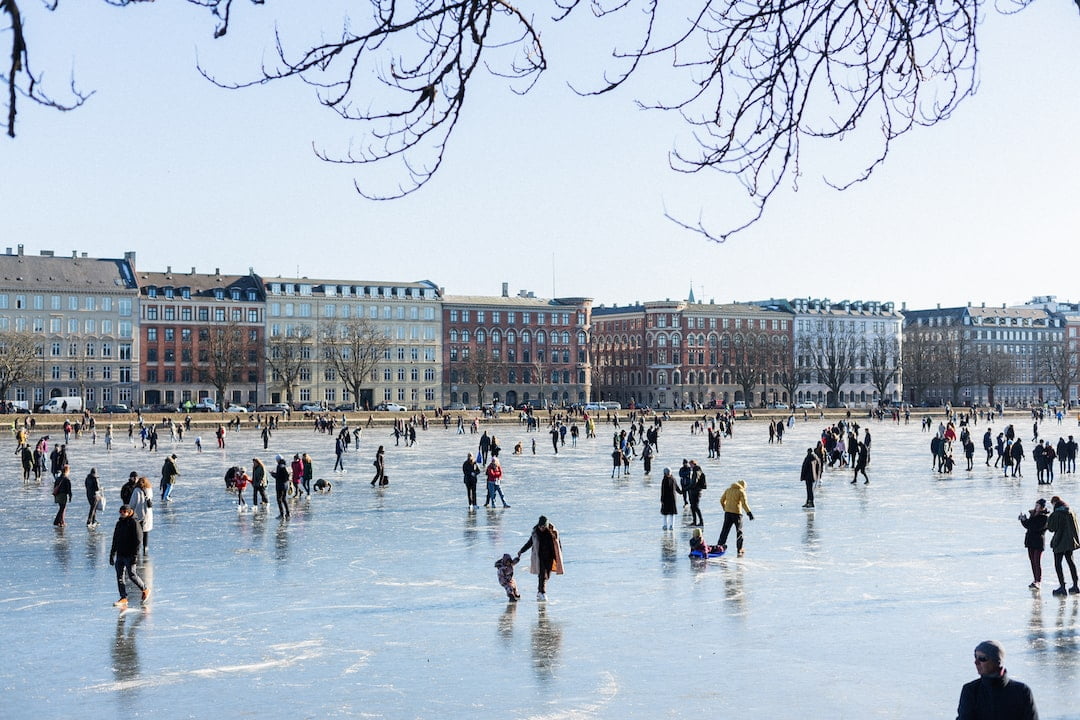
While traditional ice skating rinks can provide an exciting atmosphere for skating, there’s something truly special about exploring natural frozen surfaces. Imagine gliding across a frozenpond surrounded by snow-covered trees, or skating through the enchanting canals of the Netherlands. These skating adventures offer a unique opportunity to connect with nature, push your skills to new heights, and create unforgettable memories.
Skating on a frozenpond is a quintessential winter activity that has been enjoyed for generations. There’s a certain magic to the tranquil sound of skates carving through the ice, and the breathtaking scenery can make anyone feel like they’re in a winter wonderland. Just be sure to check that the ice is at least 4 inches thick and avoid any areas with cracks or thin spots. Safety must always come first!
The Canals of the Netherlands are famous for their frozen beauty and offer a unique skating experience that should not be missed. The Dutch are known for their love of skating, and many people flock to the canals when they freeze over to participate in the exciting festivities. Skating on the canals is a true adventure, making it a thrilling experience that combines incredible skating with breathtaking views of the city.
Exploring frozen surfaces in different natural settings allows us to experience the transformative power of ice skating in a whole new way. Skating on natural surfaces is different from rinks because we have to adapt to the changing surface and conditions. It requires more skill, balance, and agility, but it’s also more rewarding. It’s a chance to escape the hustle and bustle of daily life and connect with nature on a deeper level.
Skating on frozen surfaces is an adventure that everyone can enjoy, regardless of their skill level. Just be sure to dress warmly and bring a sense of adventure! We can’t predict the weather, but we can always be prepared for a unique and unforgettable skating experience.
The Role & Admission of Spectators: Enjoying the Beauty of Ice Skating
Ice skating is a sport that not only offers participants physical and emotional rewards but also mesmerizes spectators with its artistic and daring performances. For those who enjoy watching ice skating, there is nothing quite like the ambiance of an ice arena with the lights reflecting off the ice and the energy of a live crowd.
Ice arenas are the perfect place to witness the beauty of skating spectacles, whether that be the elegance of figure skating routines or the intense action of ice hockey games. With a live spectator audience, the excitement of the sport is magnified, and the energy in the arena is unmatched.
But the enjoyment of ice skating is not limited to the arena. Skating shows and competitions are often held in larger venues, allowing audiences to see the sport on a grander scale. These events showcase the highest levels of skill and athleticism, leaving spectators in awe of the talent on display.
However, enjoying the sport of ice skating extends beyond just watching it in person. Television broadcasts of skating competitions and shows allow viewers to experience the thrill of the sport from the comfort of their own homes. With advanced camera angles and commentary from experts, television broadcasts provide a unique perspective on the sport.
There is something captivating about ice skating that draws both participants and spectators alike. The beauty, grace, and athleticism on display make it an inspiring and transformative sport to witness. So whether you’re watching from the stands or from your living room couch, enjoy the spectacle that is ice skating and appreciate the dedication and hard work of those who make it possible.
Conclusion
Ice skating is more than just a sport. It’s a passion that brings joy, challenges, and growth to those who pursue it. As we come to the end of this article, we hope you have gained valuable insight into the world of ice skating, whether you are a beginner or a seasoned skater.
Remember, mastering ice skating skills takes time, practice, and perseverance. As you progress, you may face challenges and setbacks, but don’t give up. With passion and a growth mindset, you can conquer any obstacle and reach new levels of achievement.
Ice skating allows us to express ourselves in unique and beautiful ways. From the grace of dance movements to the thrill of speed and competition, there is something for everyone to enjoy. Whether you skate alone, with friends, or as part of a team, the sense of community and camaraderie is unparalleled.
As we move forward, let us continue to support each other in our ice skating journeys. May we never lose sight of the joy and excitement that this sport brings and may we always strive for excellence.
So, lace up those skates and hit the ice! Let’s skate towards our dreams together.
FAQ
Q: Can anyone learn how to ice skate?
A: Absolutely! Ice skating is a sport that anyone can learn, regardless of age or ability. With determination and practice, you can master the art of ice skating.
Q: Do I need to have my own ice skates?
A: It is recommended to have your own ice skates for a more comfortable and personalized fit. However, many ice rinks provide skate rentals for beginners who are still exploring the sport.
Q: What are the fundamental skills I need to learn as a beginner?
A: As a beginner, it’s important to focus on developing proper balance, forward and backward gliding, and turning. These foundational skills will set you up for success as you progress in your ice skating journey.
Q: How often should I practice ice skating?
A: Consistency is key when it comes to improving your ice skating skills. Aim to practice at least a few times a week to build muscle memory and strengthen your abilities on the ice.
Q: Are private lessons worth it?
A: Private lessons can be a valuable investment. They provide one-on-one attention from a skilled instructor who can tailor the lessons to your specific needs and help you progress at a faster pace.
Q: Can ice skating be a competitive sport?
A: Absolutely! Ice skating has a competitive side, with opportunities to participate in competitions at various levels, including the Olympics and championships. Competitive skating allows skaters to showcase their skills and push their limits.
Q: What are some safety precautions I should take while ice skating?
A: Safety should always be a top priority when ice skating. Ensure you wear appropriate protective gear, such as a helmet and knee pads, and be mindful of the skating rules and etiquette to prevent accidents.
Q: How can I improve my spins and jumps?
A: Improving spins and jumps requires practice, strength, and proper technique. It’s important to work on building core strength and flexibility, as well as seek guidance from experienced coaches who can provide valuable tips and corrections.
Q: Can ice skating help with overall fitness?
A: Yes! Ice skating is a fantastic way to improve cardiovascular fitness, strengthen muscles, and enhance balance and coordination. It provides a full-body workout while having fun on the ice.
Q: Is ice skating only for figure skaters or can I enjoy it recreationally?
A: Ice skating is for everyone! While figure skating is a popular discipline, many people enjoy ice skating recreationally for the pure joy of gliding on the ice. It’s a great way to have fun and stay active.
Meet Kevin Goodell, your outdoor adventure coach! With a passion for nature ignited in childhood, Kevin brings a wealth of experience and expertise to simplify tough outdoor skills. As a U.S. Army veteran and former Sergeant, he has honed his leadership and teamwork abilities while developing a deep love for the great outdoors.
Kevin’s dedication to outdoor activities spans biking, birdwatching, national park trips, and archery/golf. With his friendly and approachable demeanor, he is committed to guiding individuals of all ages and skill levels towards unforgettable outdoor experiences.
Harnessing his extensive knowledge and personal achievements, Kevin is your go-to resource for learning and enjoying various outdoor pursuits. Whether you seek thrilling adventures or serene nature escapes, Kevin’s professional yet friendly approach will ensure an engaging and informative experience. Embark on your next outdoor adventure with Kevin Goodell and embrace the beauty of nature like never before.
Meet Kevin Goodell, your outdoor adventure coach! With a passion for nature ignited in childhood, Kevin brings a wealth of experience and expertise to simplify tough outdoor skills. As a U.S. Army veteran and former Sergeant, he has honed his leadership and teamwork abilities while developing a deep love for the great outdoors.Kevin’s dedication to outdoor activities spans biking, birdwatching, national park trips, and archery/golf. With his friendly and approachable demeanor, he is committed to guiding individuals of all ages and skill levels towards unforgettable outdoor experiences.Harnessing his extensive knowledge and personal achievements, Kevin is your go-to resource for learning and enjoying various outdoor pursuits. Whether you seek thrilling adventures or serene nature escapes, Kevin’s professional yet friendly approach will ensure an engaging and informative experience. Embark on your next outdoor adventure with Kevin Goodell and embrace the beauty of nature like never before.